Find advice and support for you and your teenager with periods and self-care.
On this page
- First periods
- Symptoms of Pre-Menstrual Syndrome (PMS)
- Prepare with period products
- Pads for Dads
- Further support
Most girls start their periods when they're about 12 years old, but some can start as early as 8 years old. It can be an uncertain time for young girls, so it's important to talk to your child from an early age to make sure they're prepared.
The NHS website has advice on talking about periods with your child, using clear language, and advises that both boys and girls need to be informed to develop an understanding of puberty and pregnancy.
Visit, Starting your periods (NHS)
First periods
Periods will start when a girl's body is ready. This is usually between the age of 10 and 16, or 2 years after their first signs of puberty:
- leg, underarm & pubic hair growth
- breast development
- white vaginal discharge
Delay in periods starting
Possible reasons for delayed periods include being underweight, doing lots of exercise (including dance, gymnastics and athletics), stress and a hormone imbalance. It is advised to see a GP if periods have not started by age 16 years (or 14 years if they do not have any other signs of puberty). Your GP may suggest a blood test to check hormone levels and refer to a specialist Gynaecologist.
Always UK has a series of GIRL TALK episodes that explain topics about First Periods, PMS and how to use Pads.
For further episodes in this series can be found on YouTube at, Always Girl Talk - All About Menstruation and Period Products
Symptoms of Pre-Menstrual Syndrome (PMS)
Premenstrual syndrome, or PMS, is a group of symptoms that start before the period. It can include emotional and physical symptoms, like feeling upset, anxious or emotional, headaches or spotty skin.
Supporting your teen to understand that not all symptoms appear together and supporting them as they may have anxiety and fear around their bodily changes.
For more advice, go to, PMS, premenstrual syndrome (NHS)
Encouraging good hygiene and self-care habits, for example, a healthy diet, gentle exercise and varying the methods of pain relief, can help.
It is important to consider ways to support the strong emotions and feelings that may be heightened at this time. Get to understand your child's language surrounding what they call periods, some prefer to call them, 'time of the month', 'menses' (short for menstruation), 'code red'. This will help, with opening up conversations and when it is a good time to talk to them.
The website 'Hey Girls'may help to answer some of the common misinformation about periods that are out there.
Visit, Myth Buster (Hey Girls)
Working together to find ways that can reduce embarrassment at home, for example, storage and disposal of period products, laundry and bed changing routines, making sure your child has privacy in for the bathroom and bedroom. At school, carrying a supply of sanitary products, being aware of lesson timetables, like swimming or PE and informing friends and other adults, if they feel the need to.
Learn more about the period symptoms and self-care in this 3-minute animation produced by amaze.
Prepare with period products
There are a range of products that can be used for periods, here a few:
- Sanitary Pads or Panty liners (With or without wings) Single Use change every 3 to 4 hours. Placed in underwear as a disposable absorbent layer (External Wear)
- Period Pants, multi Use (Change & Wash daily) Washable leakproof thick absorbent fabric used as underwear (External Wear)
- Menstrual Cup, multi Use (wash every 12 hours, Replace annually) Flexible Plastic washable product inserted into the vagina (Internal wear)
- Tampons (with or without applicator) Single Use change every 3 to 6 hours. Absorbent cotton product inserted into the vagina, removed via an external string and disposed (Internal wear)
Learn more about the different types of products in this 2-minute video produced by the NHS.
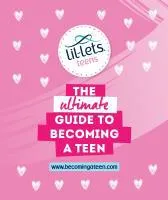
To support teens, Lil-lets have created The ultimate guide to becoming a Teen [PDF]
Period product scheme for schools and colleges
Many schools offer free period products, through a scheme funded by the Government, as having a period shouldn’t be a barrier to getting an education. For information about what your school can supply, please speak to the Pastoral Lead or School Office.
Pads for Dads
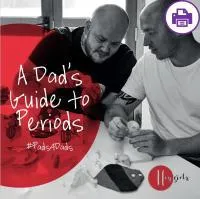
It is not always easy for Dads to start the conversation about periods and what products your teen needs. Hey Girl has created a useful guide to help support Dads understand more.
Visit Pads 4 Dads guide to periods (Hey Girls)
For more advice, go to, #Pads4Dads (Hey Girls)
Further support
Healthy Family Team
Find out more, by visiting:
- Nottinghamshire Healthy Family Teams (Directory Listing)
- Nottingham City Children’s Public Health 0-19 Nursing Service (Directory Listing)
Or
- Telephone Nottinghamshire Healthy Family Team on: 0300 123 5436
For parents and carers of children aged 0 to 19 years and for young people aged 16 to 19.