
On this page
- Gambling problems are down to bad choices or weak character
- Harms caused by gambling just involve losing money
- You can't be addicted to gambling
- Gambling is a good way to make money or to 'get rich quick'
- Children and young people are less likely to experience gambling related harms
- I won't experience gambling related harm because I don't gamble every day
- I won’t experience gambling related harm if I am not gambling huge amounts of money
- Gambling-related harms are easy to recognise
- Only people who go into casinos or bookies are at risk of gambling-related harm
- The more you gamble, the more likely it is that you will win
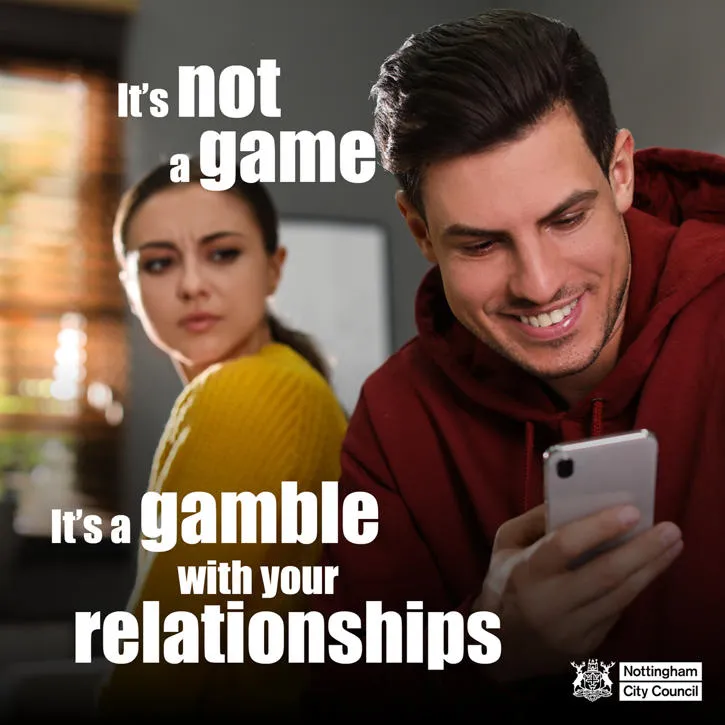
MYTH: Gambling problems are down to bad choices or weak character
Gambling can change how the brain works – just like alcohol or drugs. Over time, it can take more and more gambling to feel the same “buzz”, and that’s when it can become an addiction.
It’s also important to know that gambling companies design their games and apps to keep people playing. They spend a lot of money on adverts that make gambling look fun and harmless, and they often talk about “responsible gambling” in ways that put the blame on the person. But in fact gambling products are designed and marketed to keep people gambling. The problem is the product, not the person.
These messages can make people feel guilty, ashamed, or like they’ve failed – which can stop them from asking for help.
MYTH: Harms caused by gambling just involve losing money
Gambling can be more than just losing money. Harms to mental health, relationships, social life, and physical health are also common. Some people lose their jobs, their homes, their families, or become involved in crime.
MYTH: You can't be addicted to gambling
The feeling that motivates you to keep gambling involves the same changes in brain chemistry that individuals who use alcohol and drugs experience. It takes more and more of that behaviour to experience the same "high". If that compulsion becomes overwhelming, it can become an addiction.
MYTH: Gambling is a good way to make money or to 'get rich quick'
Gambling always involves risking money on something where the outcome is uncertain. Gambling is a game of chance and there is never a guarantee that you're going to win. Chasing losses can drive you further into debt. Gambling companies in Great Britain generate around £46 million in income each day.
MYTH: Children and young people are less likely to experience gambling related harms
Children and young people can suffer the same harms as adults and are becoming increasingly at risk of developing a gambling problem. This is likely linked to how easy gambling is to access through apps, websites, and games.
In 2025, around 30% of 11–17-year-olds across the UK reported spending their own money on gambling. Additionally, 3.4% of young people are considered ‘at risk’ of, or already experiencing, gambling-related harm (Gambling Commission, 2025).
If applied to our local population, this suggests that nearly 900 young people aged 11–17 in the city may be experiencing gambling problems, with a further 2,200 affected across the county.
MYTH: I won't experience gambling related harm because I don't gamble every day.
Even people who do not gamble often can suffer harm to their mental, physical, and emotional health, relationships and financial wellbeing.
MYTH: I won’t experience gambling related harm if I am not gambling huge amounts of money.
The amount of money spent does not determine when gambling is likely to cause harm. Gambling can cause a negative impact on any area of an individual's life, not just the financial side.
MYTH: Gambling-related harms are easy to recognise.
Gambling and gambling harm can be hard to identify and relatively easy to hide, particularly if a person gambles online. Be alert to changes in a person’s behaviour and help them to make sure they have a trusted support network in place to identify concerns early.
MYTH: Only people who go into casinos or bookies are at risk of gambling-related harm.
Gambling takes many forms, and all of them can harm you. It covers a range of activities such as casino games, sports betting, lotteries, bingo, online gaming, and scratch cards to name a few. There are now many ways to gamble both online and in-person.
MYTH: The more you gamble, the more likely it is that you will win.
Each time you place a bet or make a spin on a gambling machine, your chance of winning or losing remain the same. This doesn’t change because of the amount money you have spent before, or whether you feel you are 'due a win'. Every bet or spin is independent of the last one. The odds are always in favour of the gambling company.
◄ | Return to gambling support hub